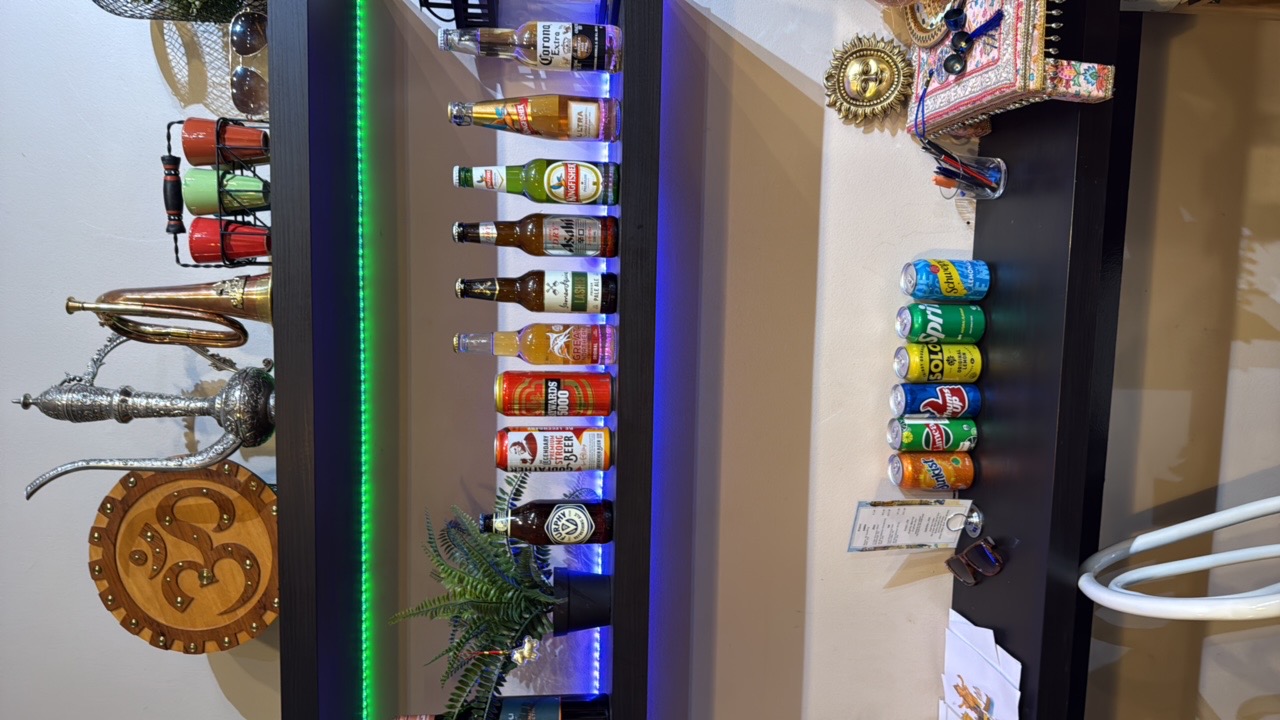
Corona was first brewed in 1925 by Cervecería Modelo in Mexico City, created to celebrate the company's tenth anniversary. It became Mexico's best-selling beer by 1935 and built its international reputation on imagery of beaches, relaxation, and the distinctive clear bottle with lime ritual. Grupo Modelo, Corona's parent, was acquired by Anheuser-Busch InBev in 2013 for approximately $20 billion, making the Belgian-Brazilian conglomerate the owner of this 'Mexican' icon. Due to US antitrust concerns, Constellation Brands holds Corona rights in America, but globally it's firmly an AB InBev property—the same corporation behind Budweiser, Stella Artois, and roughly 500 other beer brands.
Corona leans heavily into Mexican beach imagery and 'imported' premium positioning, which is technically accurate but obscures that profits flow to a Belgian megacorporation. The brand benefits from consumers associating it with independent Mexican brewing heritage rather than the world's largest beer conglomerate.
Australian Corona purchases generate revenue for AB InBev's local subsidiary, with profits ultimately flowing to AB InBev SA/NV headquarters in Leuven, Belgium. The conglomerate reported over $57 billion USD in revenue in 2023, with Corona representing one of its most valuable 'global champion' brands.
Paying premium prices for Corona supports a company that has systematically acquired independent breweries worldwide to eliminate competition. Your 'Mexican import' dollars help fund AB InBev's continued market dominance strategy rather than supporting genuine craft or regional brewing.
For Australian-owned alternatives with actual independence, try Stone & Wood Pacific Ale (Fermentum, Byron Bay), Coopers Pale Ale (family-owned since 1862, Adelaide), or Balter XPA (Gold Coast, though now Coca-Cola Europacific owns majority).