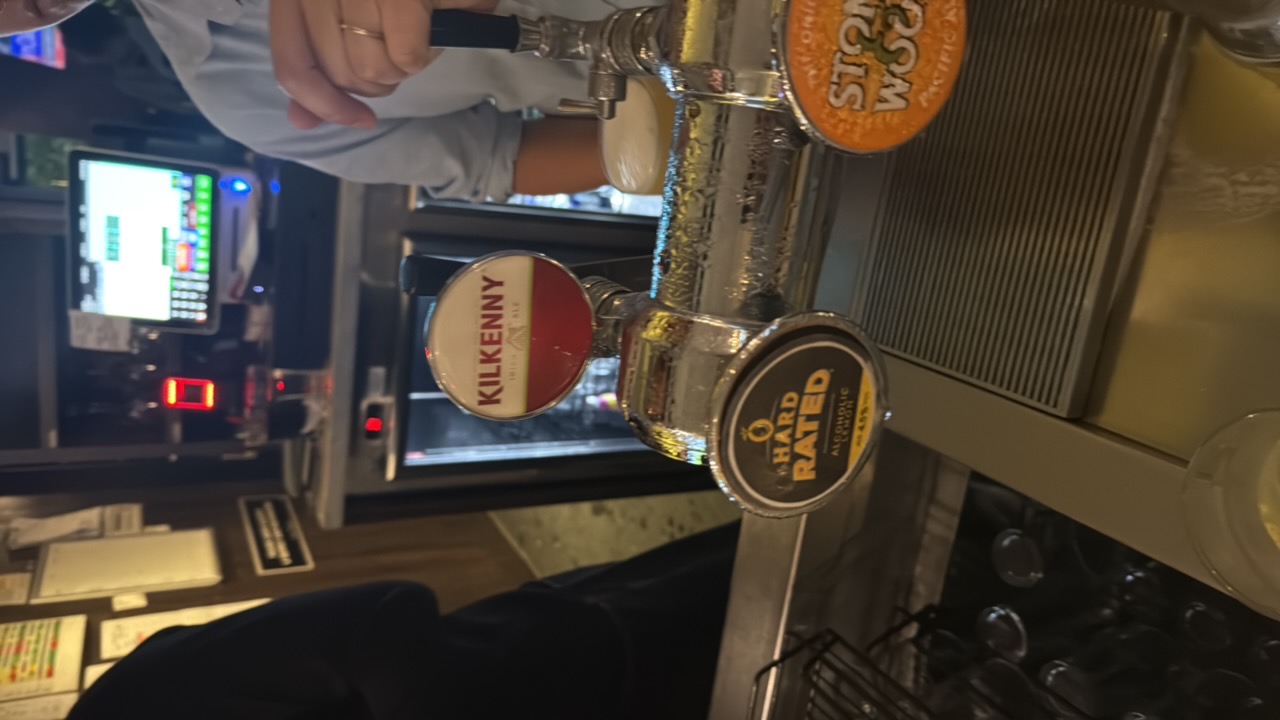
Kilkenny
Kilkenny traces its origins to St. Francis Abbey Brewery in Kilkenny, Ireland, established in 1710 — making it one of Ireland's oldest brewing sites. The cream ale style was developed as a smoother, export-friendly version of Smithwick's, another beer brewed at the same site. Guinness acquired the brewery in 1965, and when Guinness merged with Grand Metropolitan to form Diageo in 1997, Kilkenny became part of the world's largest spirits company. The St. Francis Abbey Brewery itself was closed by Diageo in 2013, with production moved to Dublin. Today Kilkenny is contract-brewed in various locations globally, including under licence in Australia.
Australian packaging emphasises 'Brewed in the Irish tradition' and 'Irish Cream Ale' with medieval imagery, but omits any mention of Diageo. The brand website focuses entirely on Irish brewing heritage, creating the impression of an independent craft operation rather than a multinational portfolio brand.
Profits flow to Diageo plc, headquartered in London, UK. Diageo shareholders — predominantly institutional investors in the UK, US and Europe — receive dividends. Zero connection to Ireland beyond historical branding.
Every Kilkenny purchased sends profits offshore to British shareholders while leveraging Irish cultural identity as a marketing asset. The original brewery that gave the brand its name was shuttered by its corporate owner a decade ago.
For genuinely independent Australian-made ales: try Coopers Sparkling Ale (Adelaide family-owned since 1862), Stone & Wood Pacific Ale (Byron Bay independent), or Balter XPA (Gold Coast, though now Lion-owned — verify current status). For authentic Irish-owned: consider Smithwick's alternatives from independent Irish micros if available.