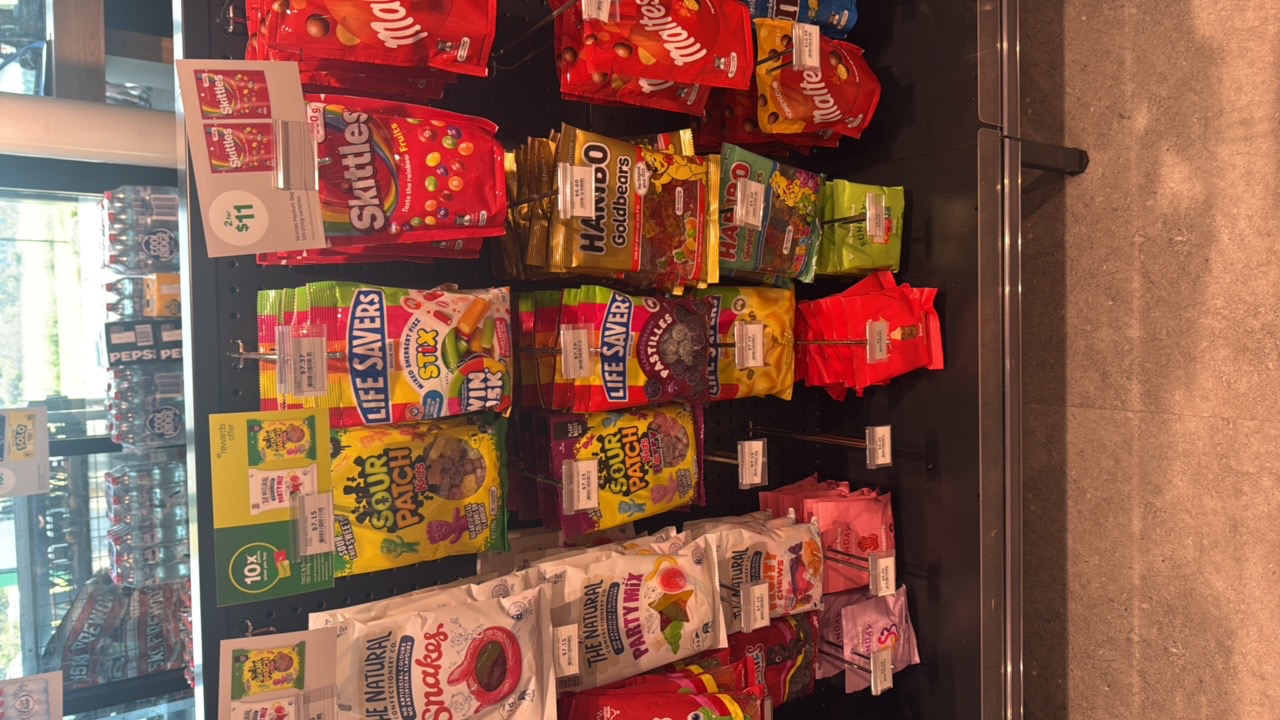
On Life Savers's official history page, Mondelēz International is mentioned 0 times. The brand tells a story of Australian origin while the corporate reality is carefully omitted.
Life Savers are ultra-processed confections made primarily from sugar, corn syrup, artificial colours, and flavourings with no whole food ingredients.
Life Savers was invented in 1912 by Cleveland chocolatier Clarence Crane, who created the ring-shaped peppermint candy as a summer product that wouldn't melt like chocolate. The distinctive shape reportedly came from a pill-making machine, and the name referenced the nautical life preserver. The brand changed hands multiple times: Crane sold it in 1913, it was later owned by Squibb, then Nabisco acquired it in 1981. Kraft Foods purchased Nabisco in 2000, bringing Life Savers into its portfolio. When Kraft split in 2012, the candy brand landed with the newly formed Mondelēz International, joining a stable of snack brands stripped from their independent origins.
The packaging and marketing lean entirely into Depression-era nostalgia and simple American candy heritage, with no visible indication of corporate parentage. Mondelēz disclosure is buried in fine print or absent entirely from consumer-facing materials. The brand benefits from consumer assumptions that such an 'old-fashioned' candy remains independently made.
Profits flow to Mondelēz International, headquartered in Chicago but incorporated in Delaware for tax purposes, with significant revenue routed through international subsidiaries. Australian sales contribute to a multinational that reported $36 billion in global revenue in 2023. Your nostalgic candy purchase feeds a corporate structure optimised for shareholder returns, not local confectioners.
Each Life Savers purchase supports Mondelēz's global supply chains and international profit structures rather than local manufacturing. The brand's Australian presence provides retail margin to local stores but manufacturing and brand profits exit the country. Independent Australian confectioners compete against Mondelēz's massive distribution and marketing advantages.
For Australian-made sweets, try The Natural Confectionery Co. — though note it's also Mondelēz-owned. Truly independent options include Noosa Chocolate Factory for hard candies, Darrell Lea (Australian-owned since 2018 buyback), or Sweet William for allergy-friendly confections made in Melbourne.